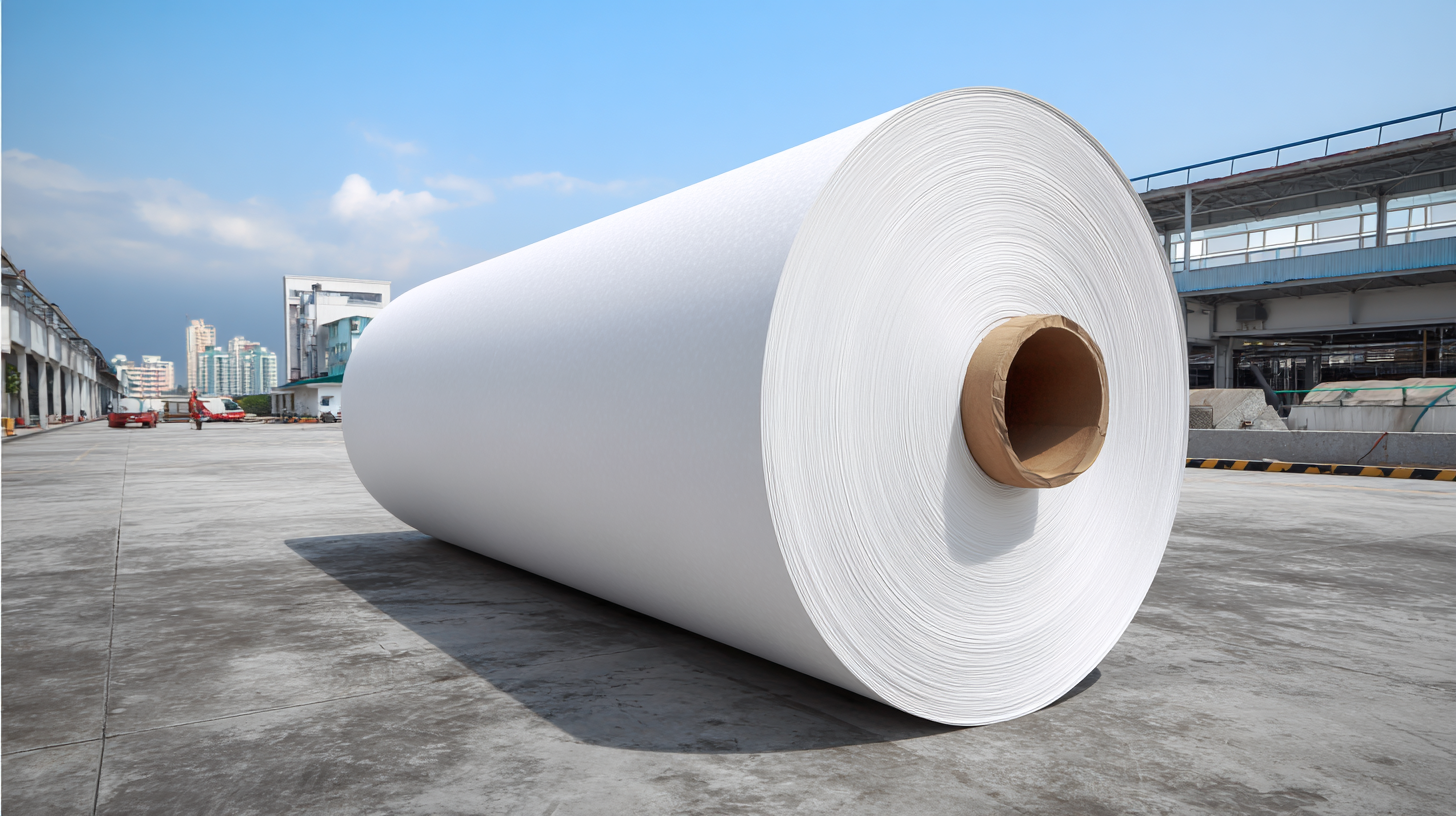
When it comes to choosing the right materials for water tanks, it’s pretty important to pick the right stuff if you want your tank to last and work well. Among the options out there, Pp Sheets really stand out — mainly because they’re tough against chemicals and built to last. Interestingly, recent industry reports say that the global market for engineering plastics, which includes Pp Sheets, is set to hit around $71 billion by 2026. That’s mainly because more industries are on the lookout for lightweight, corrosion-resistant materials for all sorts of applications.
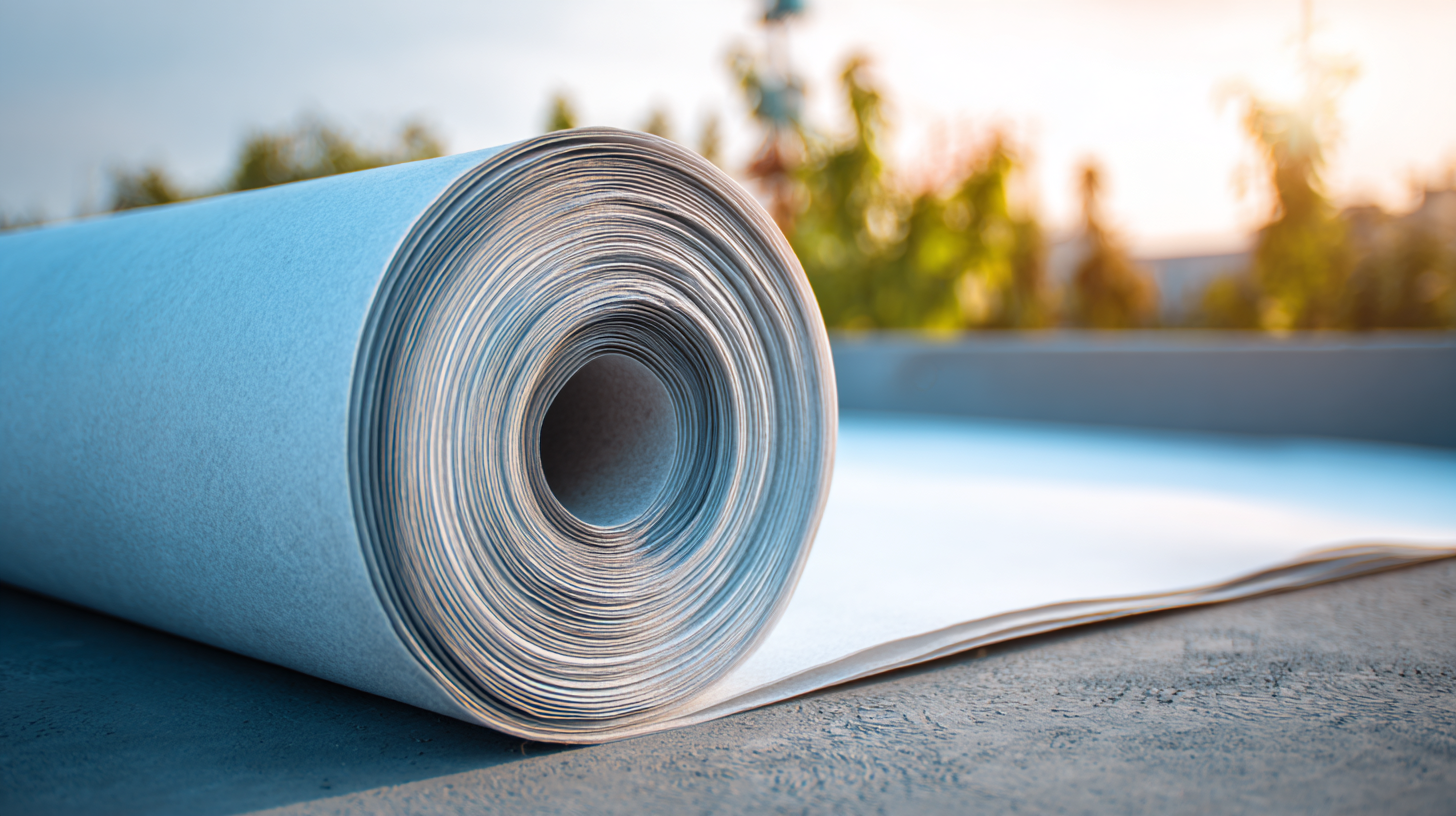
Heshan Liantuo Engineering Plastic Co., Ltd. has really made a name for itself in this space — focusing on creating top-quality engineering Plastic Sheets and parts. They’ve also put a big emphasis on quality control, earning the ISO 9001:2015 certification, which just shows how serious they are about delivering the best. In this blog, I’ll share some key tips to help you pick the right Pp Sheets for your water tank projects, so you can make smarter choices down the line.
Understanding the Different Types of PP Sheets for Water Tanks
When you're choosing polypropylene (PP) sheets for water tanks, it’s pretty important to understand the different types out there. You see, PP sheets come in various grades, each designed for specific uses and environmental conditions. For example, homopolymer PP tends to be super resistant to chemicals and lasts a long time—which makes it a good pick if your tank needs to store aggressive chemicals. On the other hand, copolymer PP has better impact resistance, which is actually a real bonus if you’re in an area that’s prone to earthquakes or heavy vibrations. I recently read a market report that predicts demand for high-quality PP sheets for water tanks will keep growing at about 7% a year. That just goes to show how important it is to pick the right type from the get-go.
Tip 1: Make sure to check if the PP sheet is compatible with whatever you're putting in the tank—whether it's water or chemicals. This is key to making sure your tank performs well and lasts longer. Choosing the right sheet based on your environment can save you a headache (and money) down the line, plus it helps keep the water pure.
Tip 2: Don’t forget about the thickness! Thicker sheets usually mean a sturdier tank, especially if it’s going to hold a lot of pressure or weight. Most experts recommend at least 4-5 mm thickness to make sure your tank stays safe and works nicely over time.
PP Sheets Thickness Comparison for Water Tanks
This chart illustrates the tensile strength of different thicknesses of PP sheets used in water tank solutions. As the thickness increases, the tensile strength also increases, indicating better durability and reliability for various water storage applications.
Key Factors to Consider When Selecting PP Sheets for Durability
When you're choosing PP sheets for water tanks, one of the most important things to consider is durability—something you definitely don't want to overlook. Polypropylene, or PP for short, is really known for its awesome resistance to chemical corrosion, making it a top pick for storing water. I came across a report by the European Plastic Packaging Association that mentions PP has a tensile strength of around 30 MPa, which basically means it can handle a lot of pressure without cracking or warping. That’s pretty crucial, especially since water tanks have to stay solid under all kinds of weather conditions.
And let’s not forget, the thickness and overall quality of the PP sheets matter a lot when it comes to lasting power. A recent article in the Journal of Polymer Science pointed out that thicker sheets—say, at least 3mm—really help extend the life of water tanks by protecting them against UV rays and thermal stress that can cause wear and tear over time. Plus, high-quality PP sheets often include UV stabilizers, which slow down degradation and keep their mechanical properties intact longer. So, when you're picking out PP sheets, it's all about weighing these durability factors to make sure your water storage is safe and reliable for the long haul.
5 Essential Tips for Choosing PP Sheets for Water Tank Solutions
| Tip | Description | Key Factors | Benefits |
| 1. Material Quality | Choose high-grade PP (polypropylene) sheets that offer excellent chemical resistance. | Chemical Resistance, Manufacturing Standards | Increased lifespan and performance under harsh conditions. |
| 2. Thickness Consideration | Select thicker sheets for enhanced durability and structural integrity. | Thickness Variability, Load-Bearing Capacity | Resilience against impacts and cracks. |
| 3. UV Resistance | Look for UV-stabilized PP sheets for outdoor applications. | UV Protection, Long-Term Exposure | Prevention of degradation and discoloration. |
| 4. Mechanical Properties | Assess tensile strength and impact resistance of the sheets. | Tensile Strength, Impact Resistance | Overall durability and reliability in demanding environments. |
| 5. Cost vs. Value | Balance the price of sheets with their performance and longevity. | Cost Efficiency, Long-Term Investment | Cost savings over time due to reduced replacement frequency. |
Cost vs. Quality: Finding the Right Balance in PP Sheet Selection
When you're choosing PP sheets for water tanks, finding that sweet spot between cost and quality is really key. I get it — it can be tempting to just go for the cheapest option out there. But, honestly, thinking long-term pays off. Cheap sheets might seem like a good deal upfront, but they often cause headaches down the road—leaks, shorter lifespan, and more frequent replacements. All those issues can end up costing you more in the long run. So, investing a little more in good-quality PP sheets? Totally worth it. It means less maintenance, better durability, and a tank that’ll last way longer.
Here at Heshan Liantuo Engineering Plastic Co., Ltd., we totally get how important quality is when it comes to water tanks. That’s why we stick to high standards in everything we make—from our engineering plastic sheets to the accessories. Our products are all made following strict quality protocols, including ISO 9001:2015 certification. We believe that by prioritizing quality in our manufacturing, we’re not just giving you reliable, top-notch PP sheets—we’re helping you build water tanks that are safe, durable, and stand the test of time.
Environmental Impact: Choosing Eco-Friendly PP Sheets for Water Tanks
So, when you're choosing PP sheets for your water tanks, it’s really worth thinking about how eco-friendly they are. Honestly, production of plastics like polyethylene (which includes PP) is a big factor when it comes to plastic waste around the world. In fact, the Global Plastic Waste Management report points out that nearly 300 million tons of plastic are made every year. Choosing recycled PP sheets is a smart move — it cuts down on the need for new materials and helps keep waste out of landfills. Plus, it’s a step toward more sustainable practices, which is pretty awesome.
Here's a handy tip: check for certifications. Look for options that meet eco-friendly standards like ISO 14001, which basically means the manufacturing process is mindful of the environment. This little check helps you avoid materials that might harm the planet further.
Another thing to think about is how durable the sheets are. You want something that’s not just good for the environment, but also tough enough to handle tough conditions. High-quality PP sheets can really stand the test of time, which means your water tank won’t need replacing as often. The EPA mentions that durable materials can save you money in the long run by reducing replacements and waste.
Focusing on these things will help you make smarter choices—good for your water storage needs and good for the planet too.
Installation Tips for Ensuring Optimal Performance of PP Sheets
Alright, so when you're installing PP sheets for water tanks, the key is to get everything right from the start. It all begins with taking a good look at the surface where you'll set up the sheets. Make sure to clear out any dirt or debris and smooth out any uneven spots. Trust me, a clean, flat base will save you headaches later on — it helps prevent leaks and makes sure everything lasts longer.
Then, don’t forget about choosing the right adhesive. Follow the manufacturer’s recommendations here; using the wrong glue can seriously mess things up by not bonding properly, which could put the whole tank at risk. Oh, and keep an eye on the weather forecast! Installation in extreme heat or cold can mess with the adhesion, so you might want to plan accordingly.
And finally, pay close attention to how you seal the joints. Proper sealing is super important to keep water from seeping in where it shouldn’t. Using compatible sealing materials will just make the whole system that much stronger. If you follow these tips, your PP sheets should perform well and last pretty much a long time — no worries!
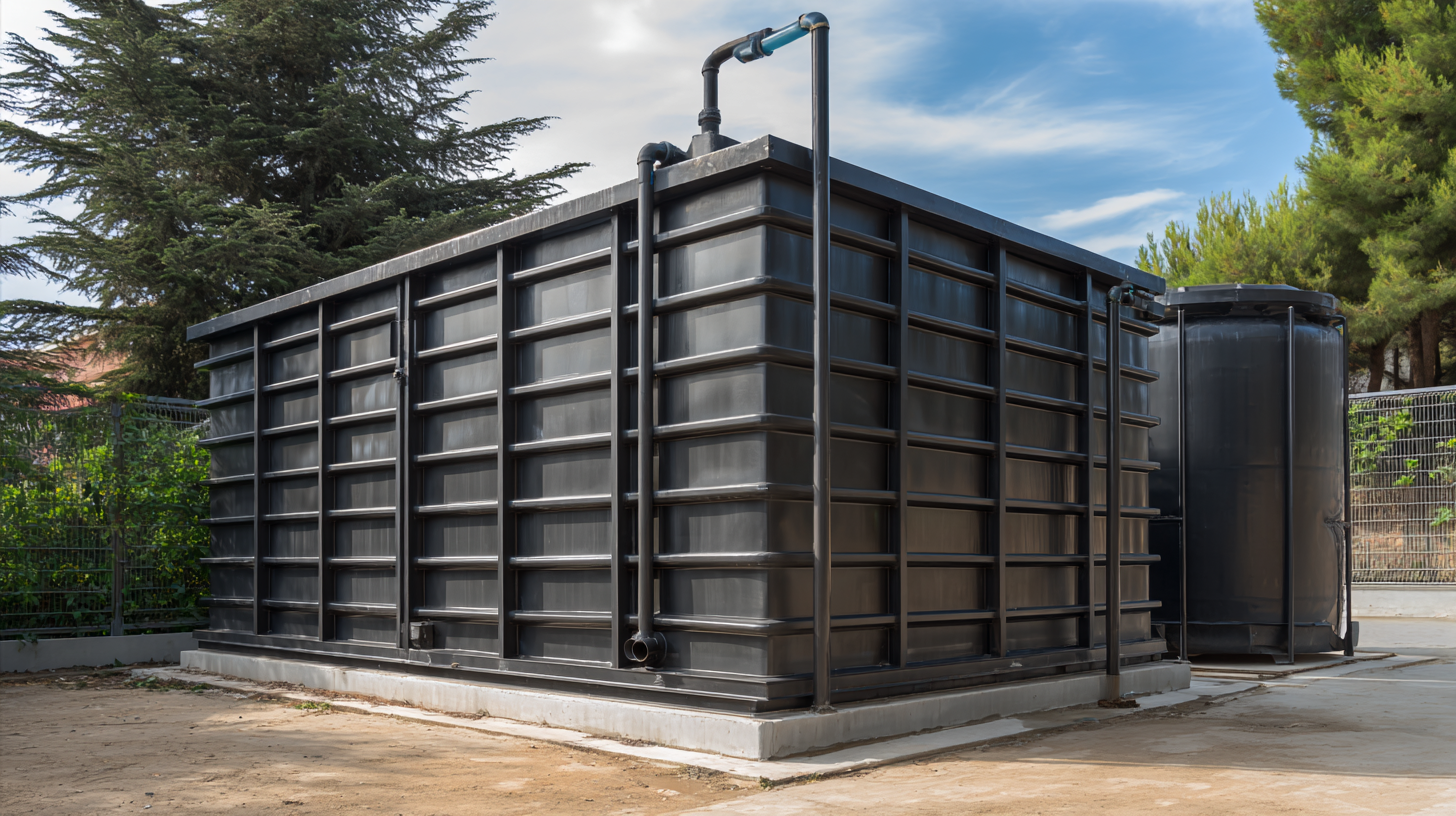
Maintenance Considerations for Prolonging the Life of Your PP Sheets
When it comes to keeping your PP sheets in good shape for water tank setups, a little bit of proper care really goes a long way. Trust me, doing regular check-ups is key—you want to catch any signs of cracking or wear early on. It’s a smart move because fixing small issues before they turn into big problems definitely helps those sheets last longer and perform better.
And here's a quick tip: make it a habit to clean the sheets regularly. If dirt and debris sit around, they can mess things up and cause your sheets to wear out faster than they should. Just use mild, non-abrasive cleaners, and you’ll keep everything in tip-top shape without risking any damage. Also, don’t forget to pay attention to the water quality—lots of contaminants can weaken the material over time.
Another thing to keep in mind is the environment where you install these sheets. Avoid exposing them to extreme heat or harsh chemicals because that can really cut their lifespan short. If you're putting them outside, opting for UV-resistant sheets is a smart move—it helps prevent sun damage and keeps them looking and functioning well for ages. Follow these simple tips, and you'll be pretty confident that your PP sheets will serve you reliably for many years to come.
FAQS
: There are two main types of PP sheets: homopolymer PP, which offers excellent chemical resistance and durability, and copolymer PP, which provides improved impact resistance.
Choosing the right type of PP sheet is crucial as it affects the longevity, reliability, and safety of the water tank, especially regarding the stored substances' compatibility.
A minimum thickness of 4-5 mm is recommended for PP sheets to ensure optimal safety and structural integrity under load or high-pressure conditions.
Selecting eco-friendly PP sheets helps minimize plastic waste, as the production of PP significantly contributes to global plastic pollution.
Consumers should look for environmental certifications such as ISO 14001, which indicates that the sheets were manufactured with eco-friendly processes.
Durable PP sheets can withstand harsh conditions, reducing the need for frequent replacements, which in turn minimizes waste generation and replacement costs.
Conclusion
Picking the right PP sheet for your water tank isn’t just about ticking a box — it’s key to making sure your tank lasts and works smoothly. The first thing to do? Get to know the different types of PP sheets out there. You’ll want to weigh factors like how tough and long-lasting they are, the balance between price and quality, and how eco-friendly they are. Choosing eco-friendly options isn’t just good for the planet — they also tend to perform reliably in storing water. Oh, and don’t forget; how you install your sheets matters a lot. Doing it right can boost performance, and regular upkeep goes a long way in making them last even longer.
Here at Heshan Liantuo Engineering Plastic Co., Ltd., we’re all about delivering top-notch PP sheets for water tanks that meet strict quality standards — ours are backed by ISO 9001:2015 certification. Our team’s deep expertise in engineering plastics means you’ll get solutions that are not only durable and dependable but also tailored to whatever you need. We’re here to help make sure your water storage projects are a success.